Training on tree microhabitats for the National Forest Inventory enters practice
By Lenka Lehnerová, Integrate Network member representative from Czech Republic
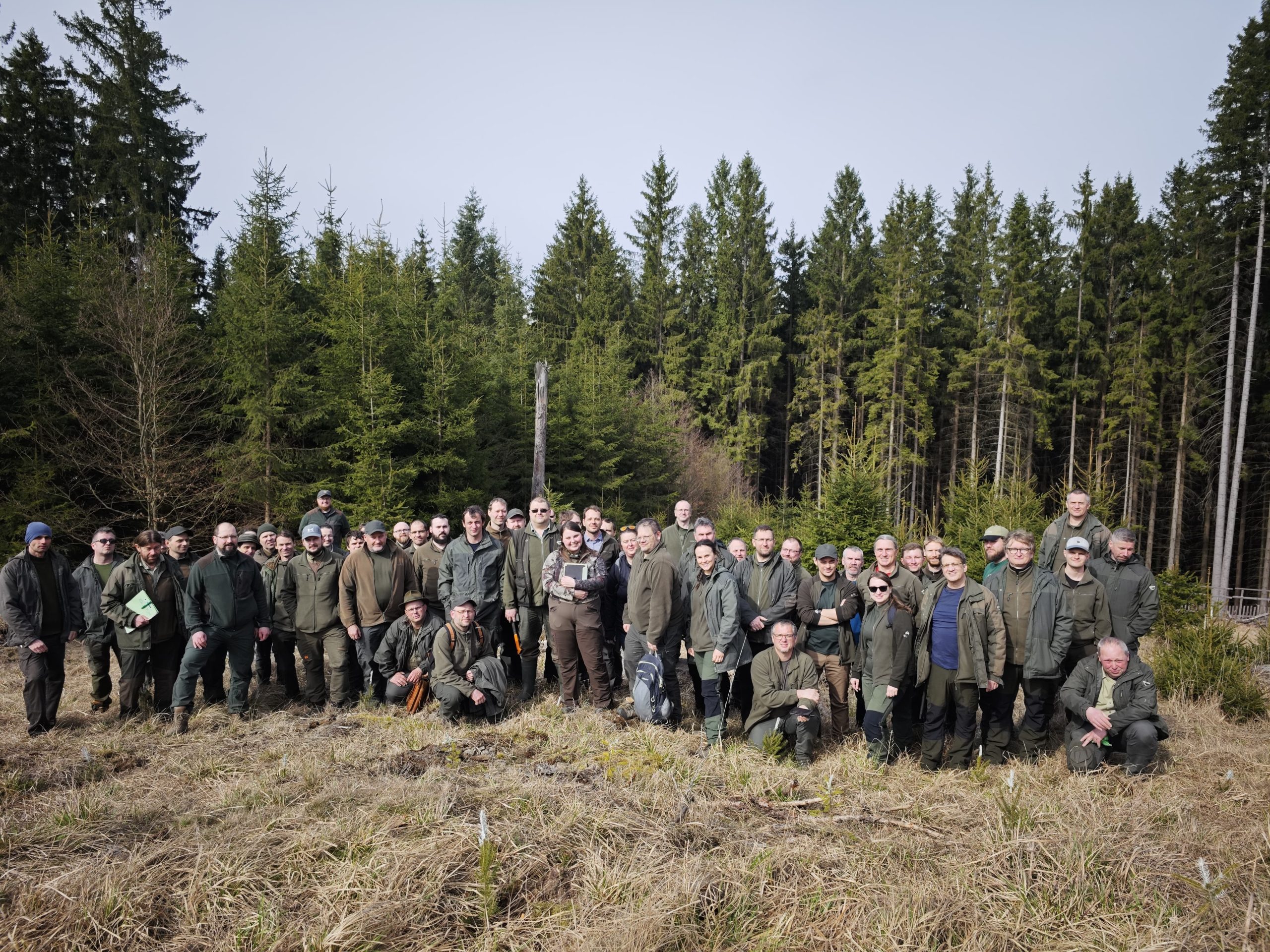
On 24 March 2026, the final training session on tree microhabitats for staff of the Czech National Forest Inventory (NFI), carried out by the Czech Forestry Institute (NLI), took place – marking an important step towards integrating biodiversity-related indicators into large-scale forest monitoring.
Starting this year, the 5th cycle of the National Forest Inventory begins in the Czech Republic. For the first time, selected types of tree microhabitats will be systematically recorded in the field. These are based on the national Catalogue of Tree Microhabitats and include categories such as cavities, injuries (wounds), dendrotelms, exposed wood, and associated biota.
Deadwood has already been systematically assessed within the NFI in previous cycles. The inclusion of tree microhabitats therefore represents a further step towards a more comprehensive set of indicators that can be considered proxies for forest biodiversity.
The information collected through this monitoring will be highly valuable. It can support, for example, the design of subsidy schemes for habitat trees, as well as enable comparisons of microhabitat occurrence across different variables of interest, such as ownership types, elevation, or forest typology. In the longer term, these data will also make it possible to evaluate whether efforts to integrate biodiversity elements into forest management are reflected in practice – for example, whether more microhabitats are retained in forests and how their occurrence develops over time.
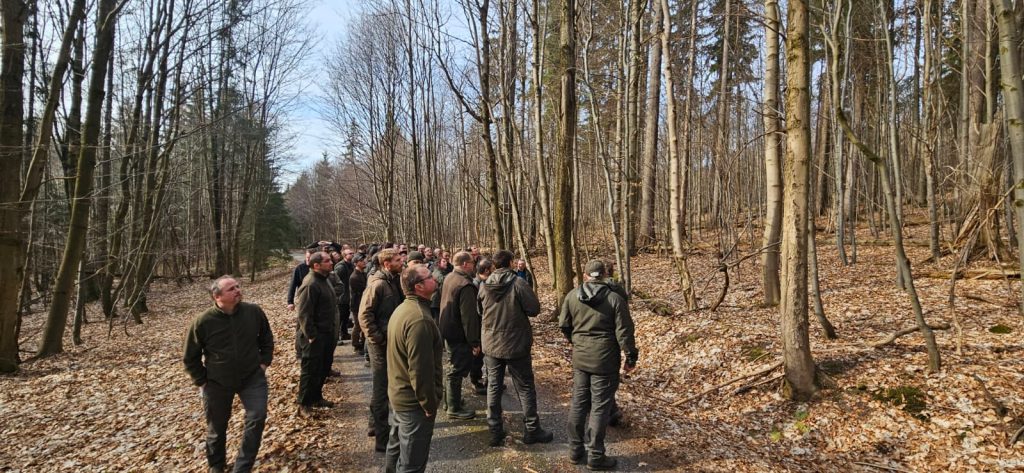
While the NFI staff were introduced to the topic during last year’s regular annual training, this year’s session focused on clearly defined categories and field protocols that will now be applied in practice. The monitoring will be carried out across the entire inventory network, although microhabitats will be assessed only on a subset of plots.
The training combined both theoretical and practical components. The morning session provided an overview of the broader ecological context and highlighted the importance of microhabitats as key structures supporting forest biodiversity. In the afternoon, participants moved to the field, where different types of microhabitats were demonstrated, and their definitions, parameters, and classification were discussed in detail.
This step reflects the growing recognition that biodiversity-related features, such as tree microhabitats, are essential for understanding forest ecosystems and for supporting integrative forest management approaches across Europe.
Photo Credits: photo archive NLI