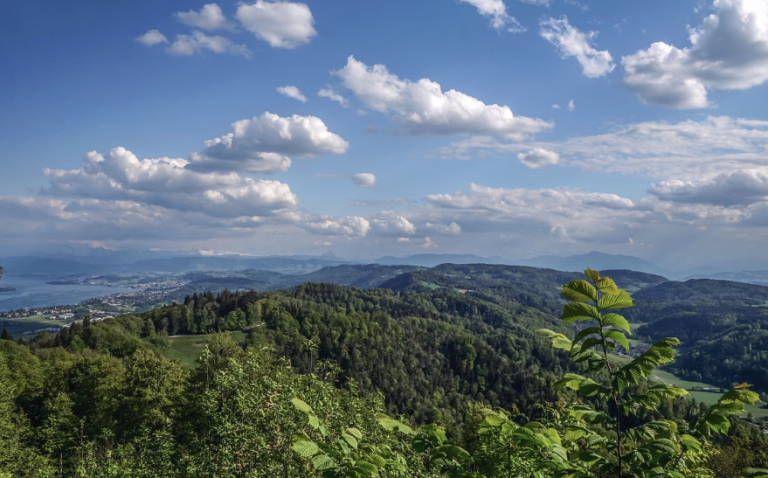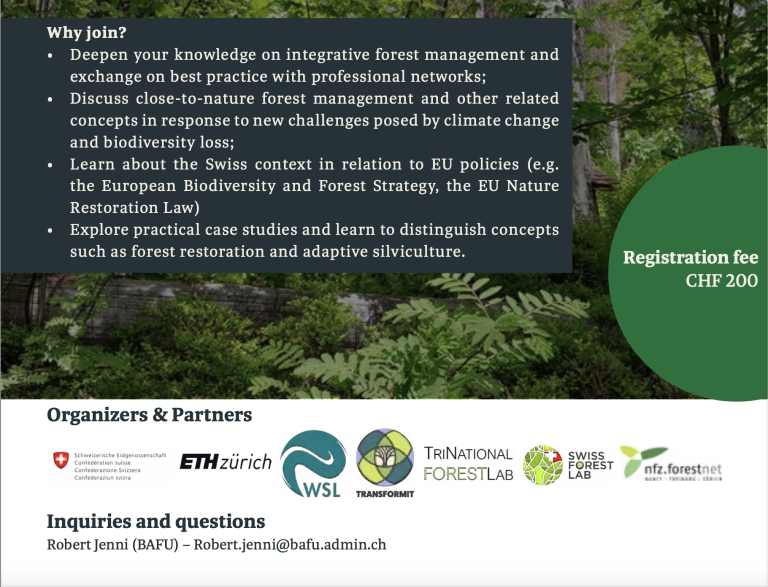
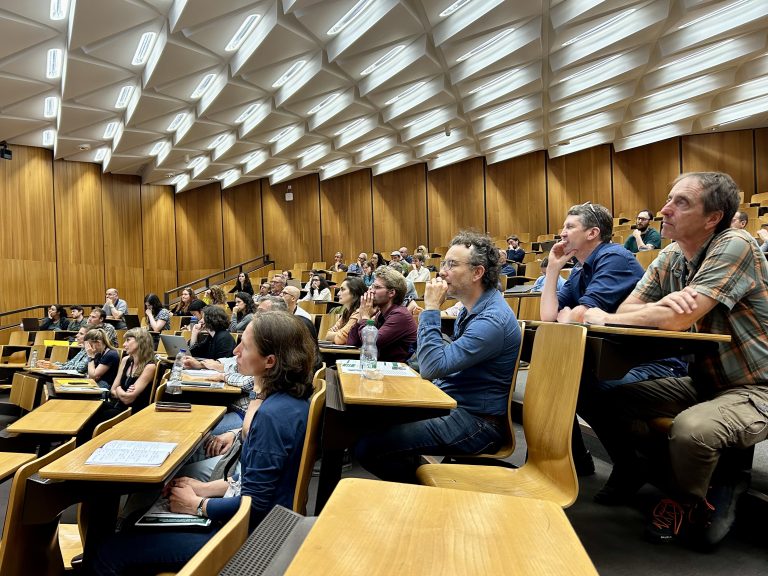
After 3 days of insightful presentations, vivid discussions and interactive outdoor sessions, our Integrate Network workshop in Zurich, Switzerland, has come to an end. More than 50 participants from diverse national and international networks and projects, including the SwissForestLab, NFZ.forestnet, SUPERB, TRANSFORMIT, Wildcard and more, came together to discuss how Integrative Forest Management may respond to...
Tag: biodiversity
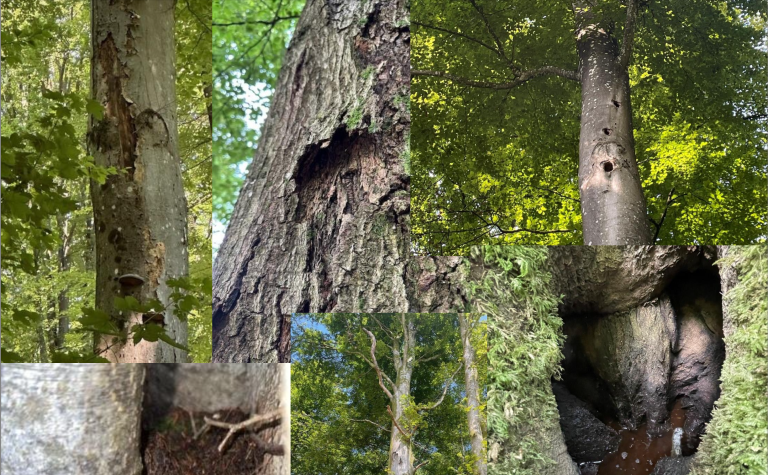
Kopstal, Luxemburg: Neue Bestandsaufnahme von Baummikrohabitaten
Im Gemeindewald Kopstal (Luxemburg) wurde eine Bestandsaufnahme von Baummikrohabitaten durchgeführt. Als Basis für die Aufnahmen wurde eine, an die 6-Baum-Stichprobe angepasste, Stichprobeninventur sowie der Katalog der Baummikrohabitate des European Forest Institute (EFI) verwendet. Ziel der Untersuchung war es, die Verteilung und Häufigkeit dieser Strukturen zu erfassen und ihren Zusammenhang mit dem Baumdurchmesser (BHD) zu analysieren....
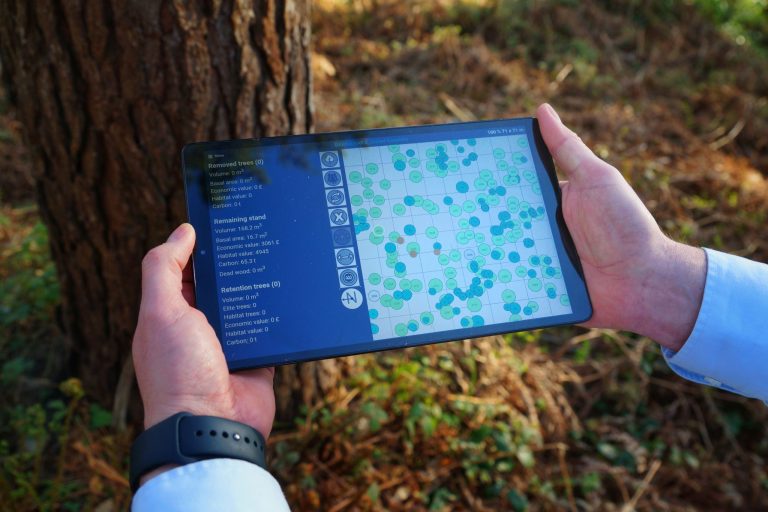
What is a marteloscope?
The European Forest Institute has launched a “What is” series to go beyond simple definitions and offer concise insights into key forest-related topics. Ever wondered what a marteloscope is and where the word comes from? Read no further: Photo credit: Rosa Castañeda
Continuous Cover Forestry education takes a leap forward in Scotland!
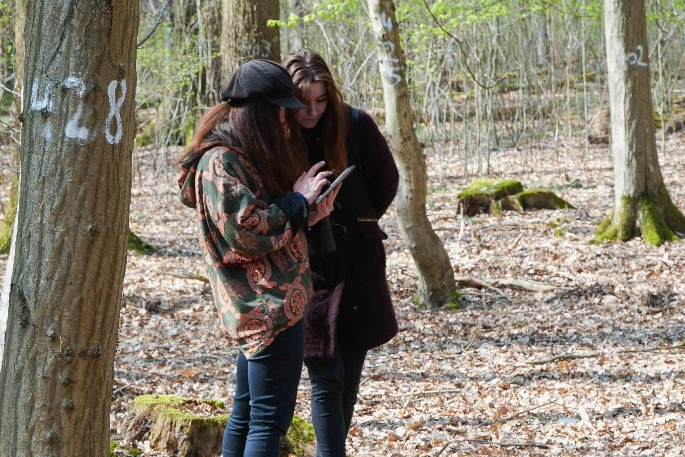
A partnership between European Forest Institute, Moray Estates and Silviculture Academy has established the first Integrate Network marteloscopes in the UK at Darnaway Forest, near Forres, Scotland. The two plots create opportunities for training in early-stage stand transformation and late-stage stand development. They are the first such plots in the UK and join a network...
Pro Silva Ireland Conference: Chairs represent Integrate Network and attend launch of new CCF handbook
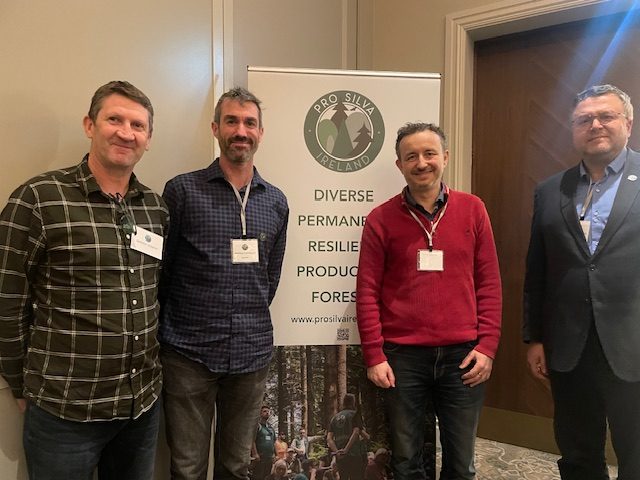
Integrate Network chairs, Dermot Dunphy and Jonathan Spazzi, recently attended the Pro Silva Ireland conference in March. The aim of the conference was to launch the new handbook called “A Guide to Continuous Cover Forestry Practise in Ireland“. This well attended conference brought together foresters, forest owners, ecologists, researchers, educators, policymakers, and artists to discuss...
Balancing forestry and biodiversity conservation: “It’s important to showcase how things can work”
“We have the need to improve biodiversity on every scale”, says Dr. Frank Krumm, researcher at the Swiss Federal Institute for Forest, Snow and Landscape Research and co-editor of the book How to balance forestry and biodiversity conservation: A view across Europe (2020). “This is what we know from research. It’s one of our tasks. But we also...
REGISTER NOW: Integrate Workshop – Increasing biodiversity to promote adaptation and resilience of European forests by using close-to-nature forestry
2.–4. June 2025 l Zurich, Switzerland Are you curious to learn more about the application of close-to-nature forest management in Switzerland and beyond? Do you want to discuss silvicultural concepts that can support forests in becoming more resilient to future disturbances and extreme climatic events? Our workshop aims to bring together diverse networks, including the...
In-person Workshop: Increasing biodiversity to promote adaptation and resilience of European forests by using close-to-nature forestry
SAVE THE DATE – Upcoming Integrate Network Workshop from 2.–4. June in Zurich, Switzerland! Are you curious to learn more about the application of close-to-nature forest management in Switzerland and beyond? Do you want to discuss silvicultural concepts that can support forests in becoming more diverse and resilient to future disturbances and extreme climatic events? ...
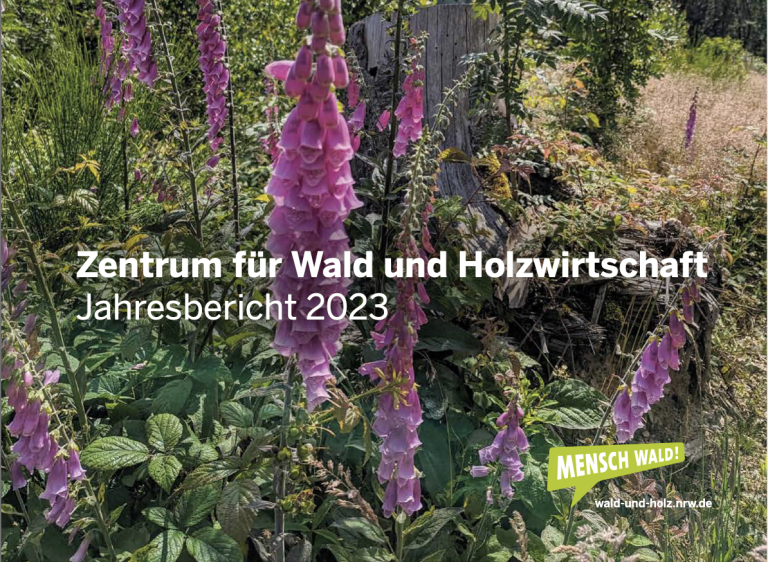
7 Jahre Marteloskope in NRW: Erfahrungen aus der Praxis
Ein Artikel von Carolin Stiehl aus dem Jahresbericht 2023 des Zentrum für Wald und Holzwirtschaft. Lesen Sie den ganzen Jahresbericht 2023 hier.
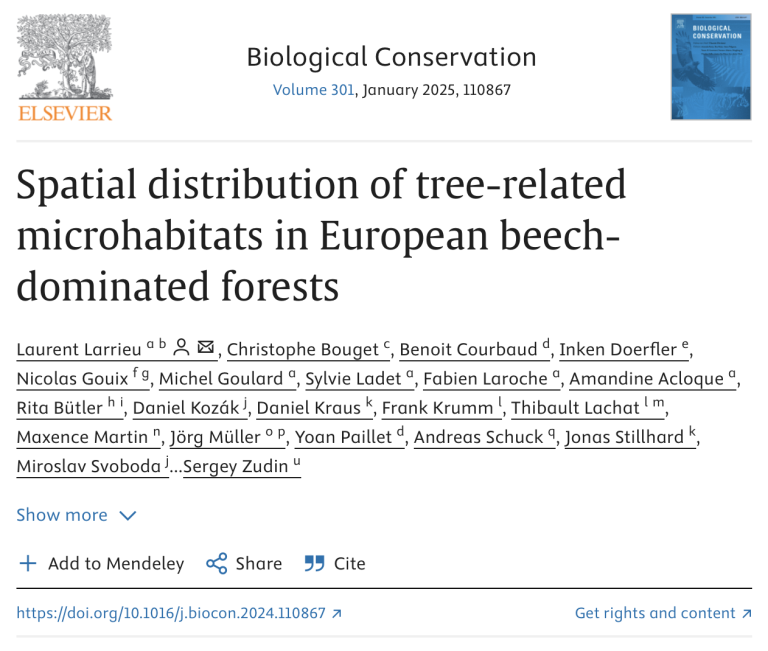
New research on tree-related microhabitats in Europe
Tree-related Microhabitats (TreMs) are crucial for biodiversity since they host thousands of species. TreMs are discrete habitat patches borne by trees and cover a wide range of lifespans, from days to decades to centuries. The taxa associated with such discrete and sometimes highly temporary habitat patches are likely to be sensitive to spatial distribution because...