
New policy report with chapter on integrating biodiversity conservation with forest management From yet undiscovered biodiversity to resilient forests and the impact of food consumption on nature: 64 experts have now pooled their knowledge and recommendations and published them in the form of “10 Must Knows from Biodiversity Research” for 2024. The new report from...
Tag: climate change
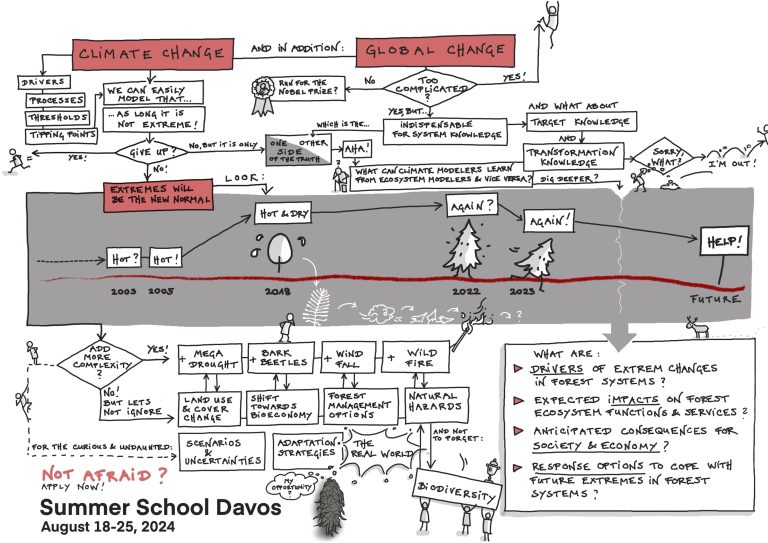
Summer School 2024 – “Forests and Extremes: Crisis or Transition?”
Is early browning in European forests a harbinger of tree death or simply a sign of temporary stress? In 2018, science could not answer this question. But one thing was clear: the frequency of extreme events, including droughts, had increased after the hot summer of 2003. Even though droughts also occurred during the last century,...
Navigating the changing climate: a new study on how practitioners tackle adapting forests to climate change
The forest cover is ever more under pressure, a changing climate and loss of biodiversity are two ongoing crises that increasingly threaten our forests. More frequent and more intense natural disturbances, such as storms, wildfires and drought, hamper the ability of forests to deliver the wide range of ecosystem services demanded by society. To tackle...
What foresters want
Recently there has been broad political interest in alternative forest management systems, in response factors that call for a rethinking of production-oriented forestry, including biodiversity concerns, resilience issues and socio-economic changes. The EU Biodiversity Strategy 2030 for example calls for the development of nature-oriented forestry practices to safeguard biodiversity and rural livelihoods. Moreover, it sets...
Why Integrative Forest Management requires integrative solutions
In times of climate change and related global challenges, forests are both under threat and considered important allies to mitigate climate change. Demand for our forests is accordingly high, so we ask ourselves: Could Integrative Forest Management – a management method that integrates several forest ecosystem services – serve as one of the solutions? And...
Practical marteloscope excercise at Monte de Valsaín (Spain)
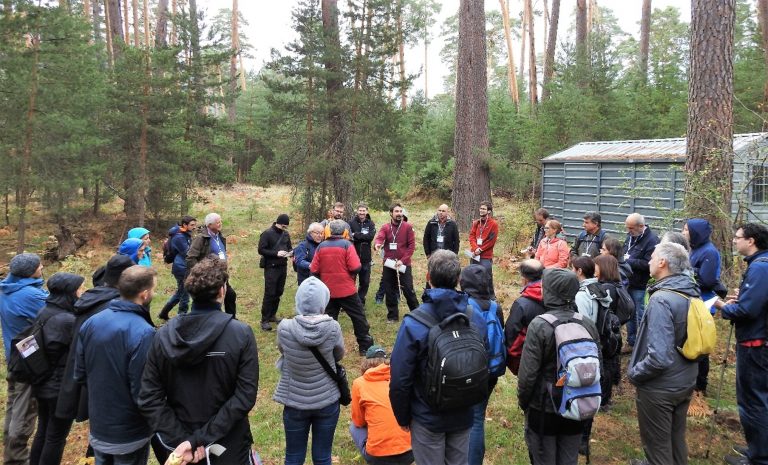
By Miguel Ramírez López (Tragsatec/MITECO). On the 20th of October, as part of the 8th Annual Meeting of the European Integrate Network, a practical exercise was performed at Monte de Valsaín marteloscope using the I+ software by 46 participants coming from 13 different European countries, including 2 representatives from the European Commission. After a first...
Making the FOREST FIT FOR FUTURE
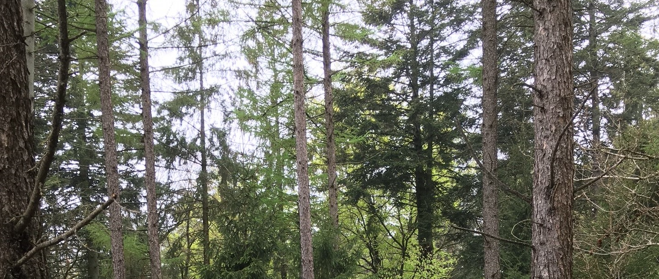
How can uniform coniferous stands in Northern Europe be converted to more natural and climate-friendly managed forests? How will that affect the economic outcome of forestry and what is the effect on biodiversity? These questions are raised and sought to be answered in the EU LIFE project Forest Fit For Future. Conifer forests are important...
Nature protection as a leading principle: managing forests in South-Eastern Poland
Today the area of South-Eastern Poland is characterised by a relatively high forest cover, reaching over 60% in foothills and mountainous areas. But is has not always been so green here. Compared to 1945 there has been a 20% increase in forest cover in this region. Post-war displacement of inhabitants from this very densely populated...
Webinar Recap – Climate change adaptation, mitigation and biodiversity conservation in European forests
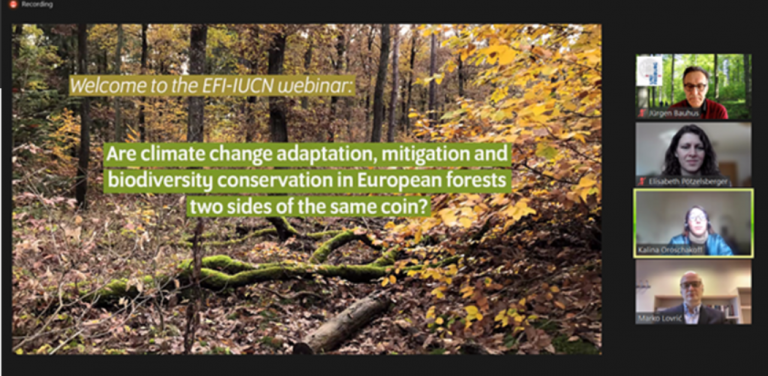
Do climate adaptation, mitigation and biodiversity conservation goals walk hand in hand when it comes to the management of Europe’s forests? Or are they closely related, but essentially different pursuits? To unravel the complexities of the topic, EFI and IUCN invited representatives from the EU Commission, academia, and the advocacy and policy arenas to debate...
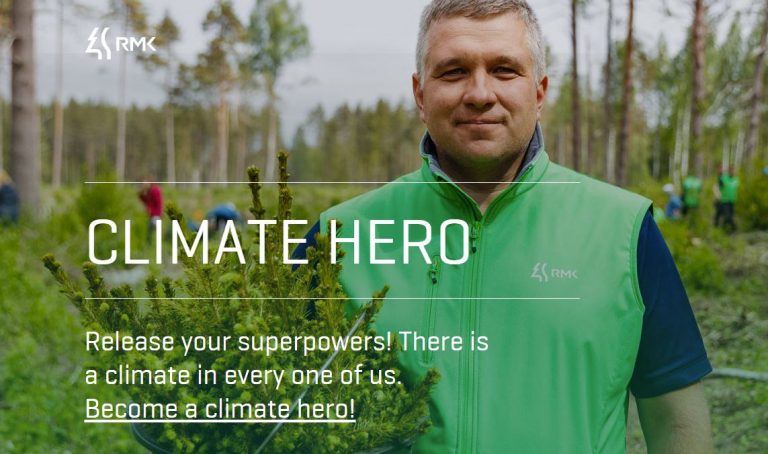
Take a look at this RMK initiative to become a climate hero!
You can be a climate hero following these practical advices from the Estonian State Forest Management Centre (abbreviated RMK) to reduce your carbon footprint. For example, travelling inside your country during holidays, choosing products made from wood pulp or fibre instead of synthetic materials, planting trees and more.