Who is Chair of our Integrate Network in 2026?
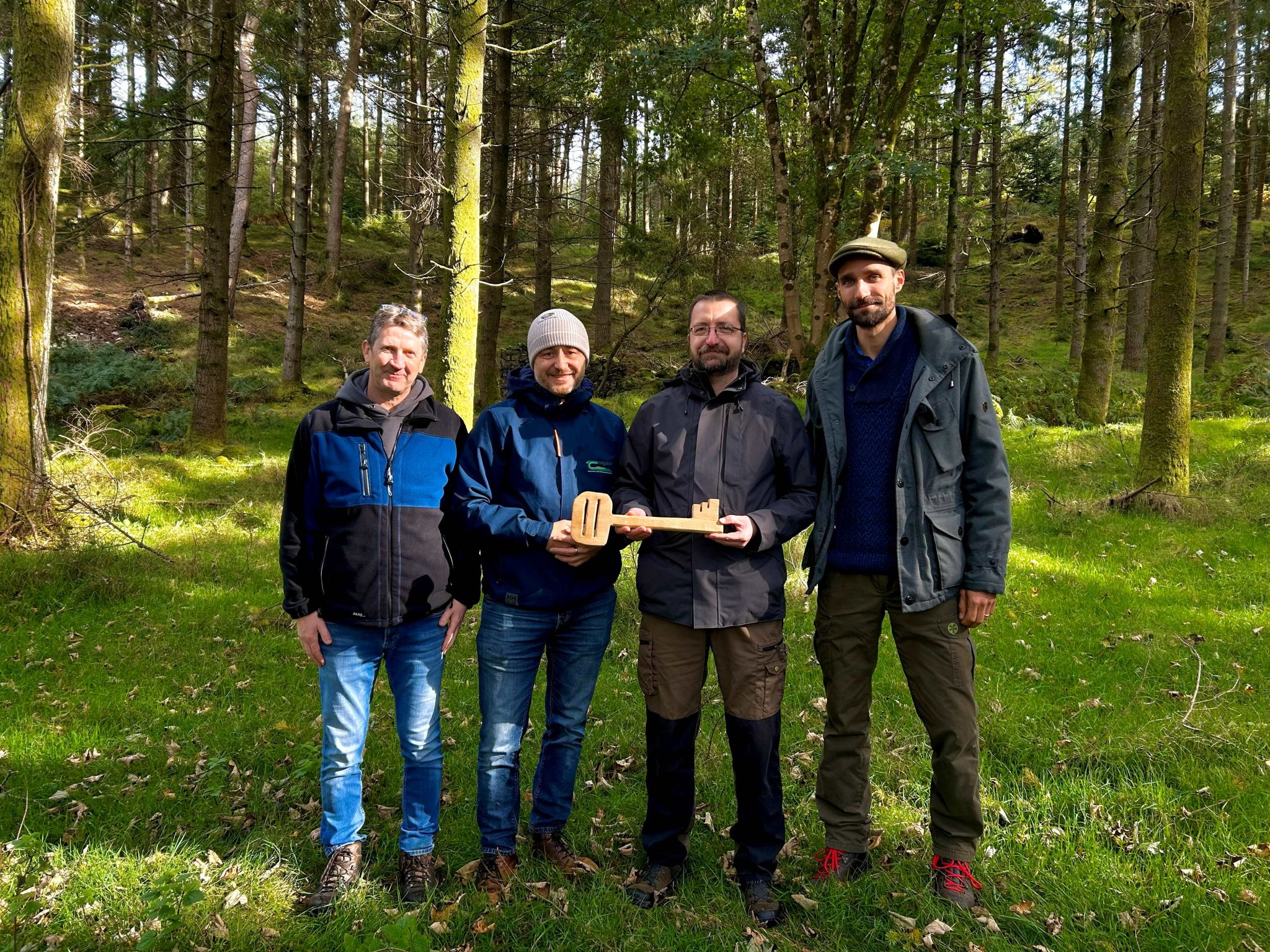
With a rotating chairmanship, each year, our member countries vote for the Chair and the composition of the Steering Committee, consisting of the recent, current and future chair as well as two additional Members based on geographical balance. The rotating approach provides chair countries the opportunity to take up relevant topics during their chairmanship and shape the Network activities. Following Dermot Dunphy and Jonathan Spazzi from Ireland last year, Gergely Zagyvai will chair the Network in 2026 on behalf of Hungary.
As you step into the Integrate Network Chairmanship for 2026, what is your vision for this year?
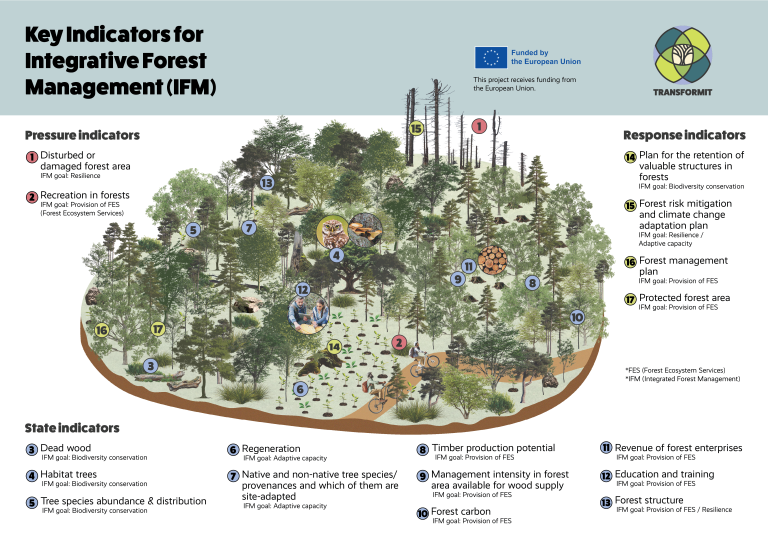
In 2026, we aim to realize a year in which integrative forest management emerges as an effective response to the challenges testing the forests of Central Europe, such as drought, heatwaves, the spread of invasive species, health issues, and declining biodiversity. Our goal is to ensure that, alongside adaptive approaches based on continuous forest cover and structural and compositional diversity, modern digital tools also receive greater attention in making integrated forest management more efficient. Our vision is a collaborative, knowledge-sharing, and practice-oriented network that provides tangible support to professionals working in the field and promotes the long-term resilience and sustainable management of our forests.
What does a typical Hungarian forest look like and what is something unique about them?
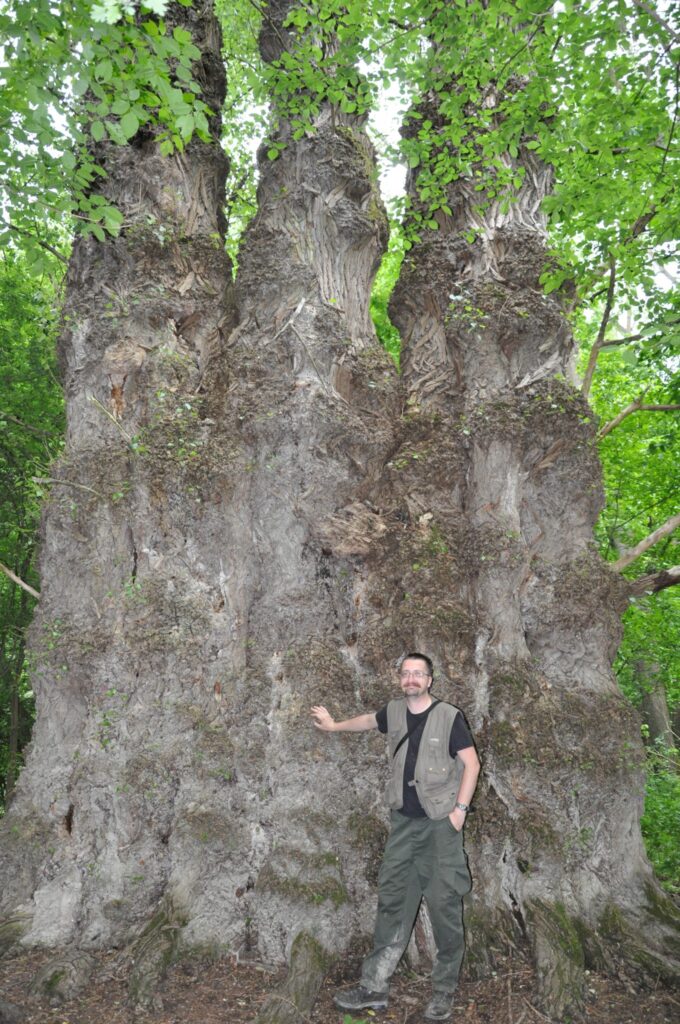
Hungary’s native forests consist almost exclusively of broadleaved species, primarily Turkey oak forests, hornbeam–oak forests, and beech forests, which are concentrated in the uplands and hilly regions. The proportion of non-native tree species is extremely high, reaching 40% of the total forest area. A significant share of these are monocultures of black locust and various pine species. From a conservation perspective, some of our most treasured forests are the rare, fragmentary lowland stands belonging to the forest-steppe zone that extends into the Carpathian Basin from the east: loess oak woodlands, saline oak woodlands, and sandy oak forests. A defining feature of the Pannonian biogeographical region – four-fifths of which lies within Hungary – is that, situated at the intersection of diverse climatic and floristic influences, its natural vegetation is remarkably species-rich, abundant in endemics, and mosaic-like across numerous landscape types. Most of Hungary’s forests bear the marks of clearcutting and are largely even-aged.
What do you see as the most pressing challenges in forestry in Europe, and how do you believe they can be addressed?
Among the most significant challenges facing European forestry are those related to climate change. Rapidly shifting climate parameters and increasing weather extremes are linked to the accelerated spread of pests and pathogens in stressed forest stands. The spread of invasive species is a significant problem. Much of the European public is highly sensitive to the issue of biodiversity loss, increasing the pressure on forest managers to give greater prominence to conservation functions and ecosystem services. Meaningful progress requires political will grounded in social consensus, ensuring that none of the stakeholders feel disadvantaged. As a guiding principle, we can place confidence in the resilience offered by higher compositional and structural diversity. The truly difficult aspect of the task lies in the limited applicability of templates – each site requires the development of unique solutions, which may also demand greater knowledge and resources.
There is often a perceived tension between timber production and conservation. How does the Integrate Network provide a middle path that satisfies both economic and ecological needs? Is there an interesting example from the Hungarian context you can share?
A positive development in Hungary is that, compared to previous decades, the forestry sector has become more open to integrating ecological and economic considerations. There is an increasing shift toward continuous cover forestry in many areas, supported by a growing number of experimental sites.
A thorough analysis of the economic performance of continuous cover forestry (CCF) is available in Hungary from the area of the Pilis Park Forest Company, authored by Dr. Péter Csépányi. In this study, the results were particularly striking for the beech forests examined, showing that continuous cover forestry does not represent an economically inferior alternative. This is partly due to the potential for increasing revenue from timber harvesting and reducing the costs of forest regeneration. Similar results were obtained for Turkey oak–sessile oak stands. It was demonstrated that in uneven-aged stands or stands containing older trees in the upper canopy layer, the financial indicators of forest management suffered less damage during the ice break event that devastated the region, thanks to the more stable, CCF-like forest structure. These findings are based on the direct financial components of forest management and do not include the positive effects of continuous cover forestry on other ecosystem services.
According to you, what role does integrative forest management play in preserving biodiversity in a European context?
The advantage of integrative forest management is that it supports the conservation and enhancement of biodiversity in a complex way. Beyond area-based protected sites, integrated forest management provides ecological networks across multiple spatial scales and at the landscape level (e.g., microhabitats, stand sections with varying canopy closure) for organisms with different habitat requirements. If integrate management practices result in more diverse stand structure and age distribution, this also leads to a greater variety of habitats, which in turn promotes increased biodiversity.
For a country considering joining the network, what is the hidden value of an Integrate membership that isn’t immediately obvious on paper?
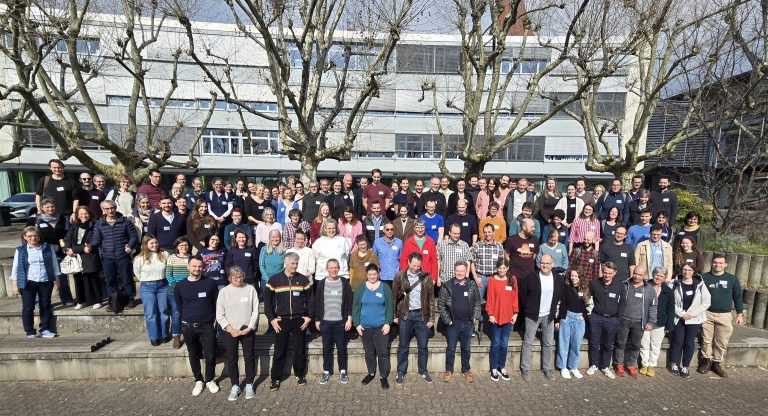
I find the opportunity for direct interaction and communication with fellow members at the annual meetings highly valuable. The practical presentation of different field sites, along with the explanation of the local factors behind them, provides an opportunity to learn about good practices whose adaptation may be worth considering in our own country.