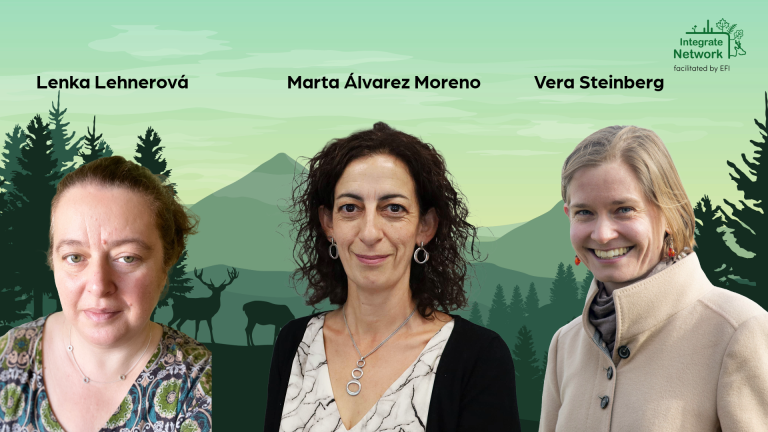
Women’s voices are not optional in forest management – they are essential for its future. By bringing women’s expertise into integrative forest management, we can unlock knowledge that better balances biodiversity, production, and social needs. When women are at the table, forest governance becomes more legitimate and democratic – reflecting the realities of all those who depend on and care for...
Author: Rahel Könen (Rahel Könen)
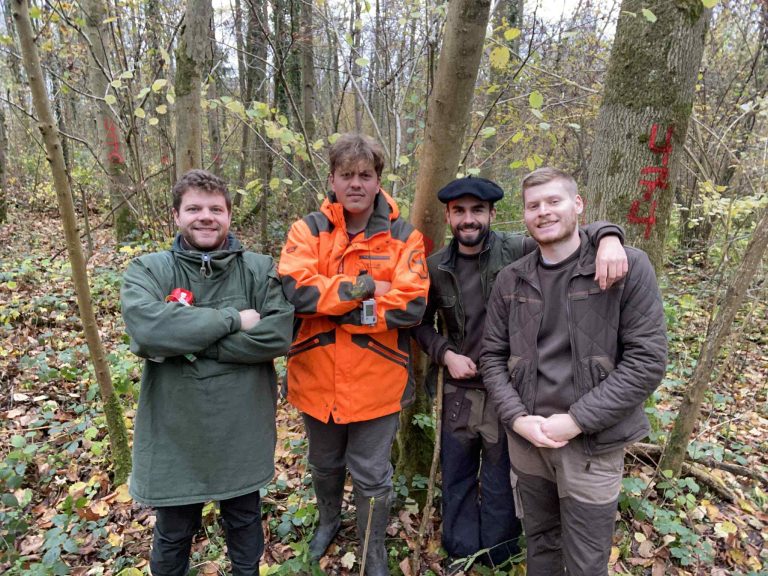
Five Students, One Mission: To Set-up a New Belgian Marteloscope
For one semester, Simon Musin, Antoine Van Lede, Samuel Konsdorff, Louis Uytterhaegen and Tom Schriewer shared a mission: To figure out how to set up a new marteloscope close to their Gembloux Agro-Bio Tech faculty in Belgium. But how does one set-up a 1-hectare forested, monitored, and mapped site, used to train forest managers, owners or students on the intersection of biodiversity conservation and timber production? We sat down...
Waldlabor – A forest laboratory for experimental research, discovery and education
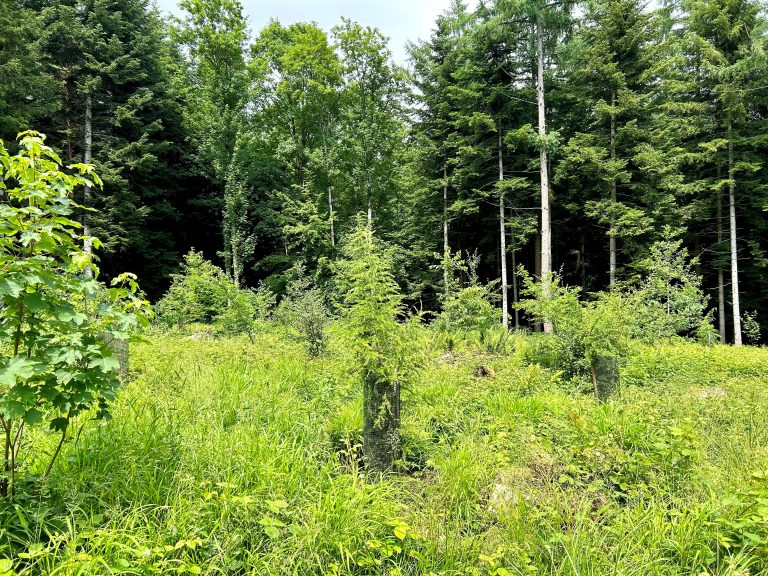
It’s a misty Tuesday afternoon in June at the ETH Hönggerberg Campus in Zurich. Participants of our Swiss Integrate Network workshop have geared up in waterproof clothes and are ready for a few more hours of outdoor fun at the so-called “Waldlabor” – a unique forest area on the outskirts of the city. Diverse learning...
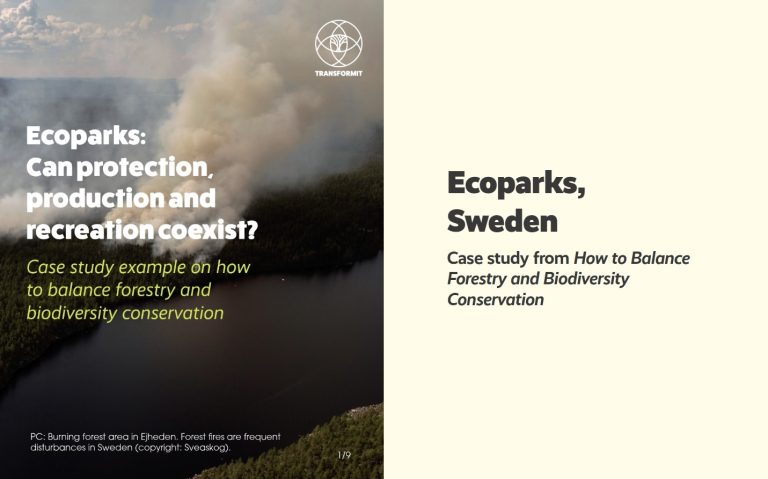
Ecoparks: Can protection, production and recreation coexist?
What makes ecoparks special? Swedish ecoparks are unique for their large, contiguous landscapes where ecological values are prioritized, often exceeding 50% of the area dedicated to nature conservation. They also include older forests than most of Sveaskog’s forest landscapes: 52% of forests in ecoparks are over a century old, while only 15% of forests outside...